Wasini Private or Group: What Does the Private Dhow Really Buy?
For most travellers the group departures are the right call: from €80 from Diani or from €118.48 from Mombasa (verified July 2026), you get the same island, the same Kisite-Mpunguti marine park and the same chances with the dolphins as anyone else on the water that day. The private cruise (from €139, departing Mombasa) is worth the difference in one specific case: when having the dhow to yourselves — your pace, your stops, your company — is the point of the day, for a couple, a family or a small group that wants the morning to be theirs. The honest complication is that a from-price on a private product needs reading: the booking box shows the live price and exactly what and whom it covers, and that is where to check it before comparing it with the per-person group prices. This page walks through what genuinely changes with a private dhow — and what does not change at all, starting with the fact that no boat, however exclusive, can order dolphins to appear.
What 'private' actually changes
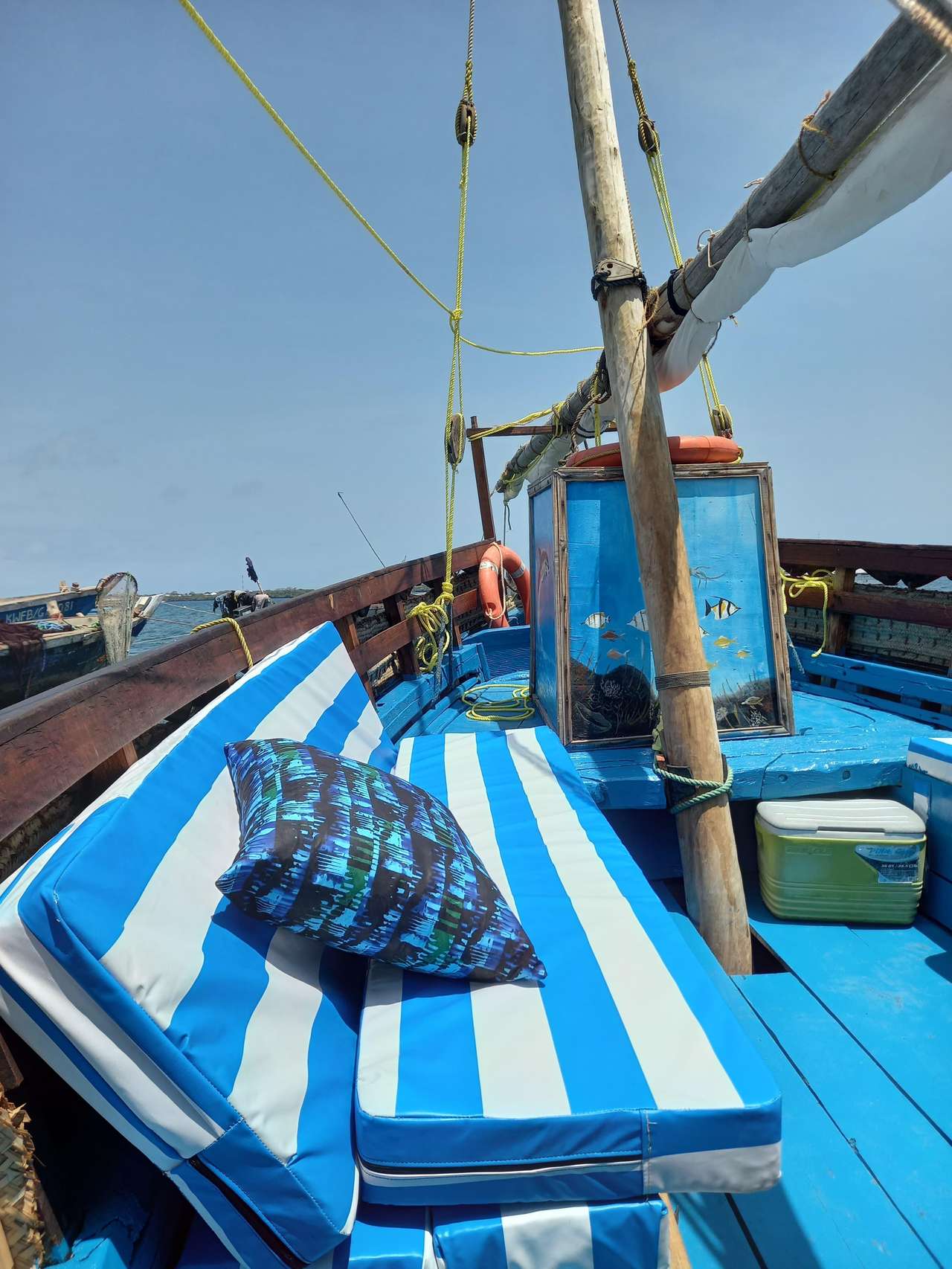
On a group dhow you share the boat and the timetable: the day runs on the operator's schedule, optimised for the whole boat. On the private cruise the dhow carries only your party, and the listing names both breakfast and lunch as part of the product. Within the limits the crew works with — tides, park rules, weather — the rhythm of the day bends towards you rather than towards a boatful of strangers. That is the whole trade: not a better island, not better coral, not better odds with the wildlife. The sea in front of the boat is identical. What you are buying is the space around you and a schedule with your name on it — the same logic as private tours anywhere, priced here from €139 against group seats from €80 (verified July 2026).
Meals and inclusions: names versus assumptions
The private listing is explicit in its own title: breakfast and lunch are named as included. The group listings vary, and the listings' data does not tell us reliably what lands on the table or whether the Kisite-Mpunguti park entry (USD 25 per non-resident adult under the KWS 2025 tariff — in force but contested in court; official rates at kws.go.ke, verified July 2026) is part of any given price. So apply one rule to all three products: open the booking box and read the inclusions of the exact product before you compare totals. A group trip that includes the park fee and a private trip that does not — or the reverse — changes the real gap between them by more than the headline prices suggest.
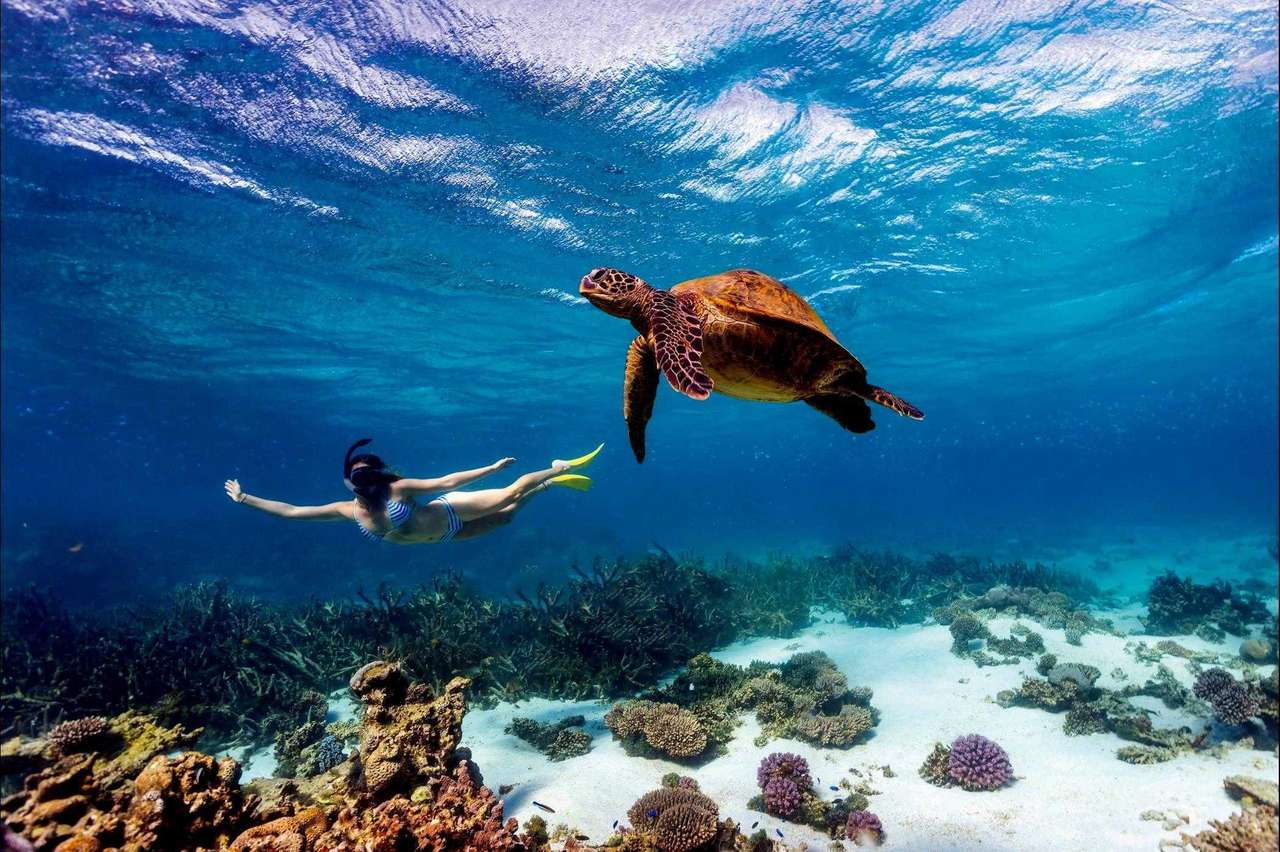
The comparison that matters
Swipe to scroll the columns on mobile.
| Group departures | Private cruise | |
|---|---|---|
| Price (verified July 2026) | from €80 (Diani) / from €118.48 (Mombasa) | from €139 — check in the booking box what and whom it covers |
| Boat | shared dhow, operator's timetable | dhow for your party only |
| Meals | vary by listing — verify in the booking box | breakfast and lunch named in the listing |
| Departure | Diani or Mombasa | Mombasa (per the listing) |
| Kisite park fee (KWS 2025 tariff) | verify in the booking box | verify in the booking box |
| Best for | budgets, solo travellers, couples | occasions, families, small groups |
Live availability & prices
Kisite Park Private Cruise with Breakfast and Lunch
Live availability & prices
Wasini Island Dhow Day Trip from Diani
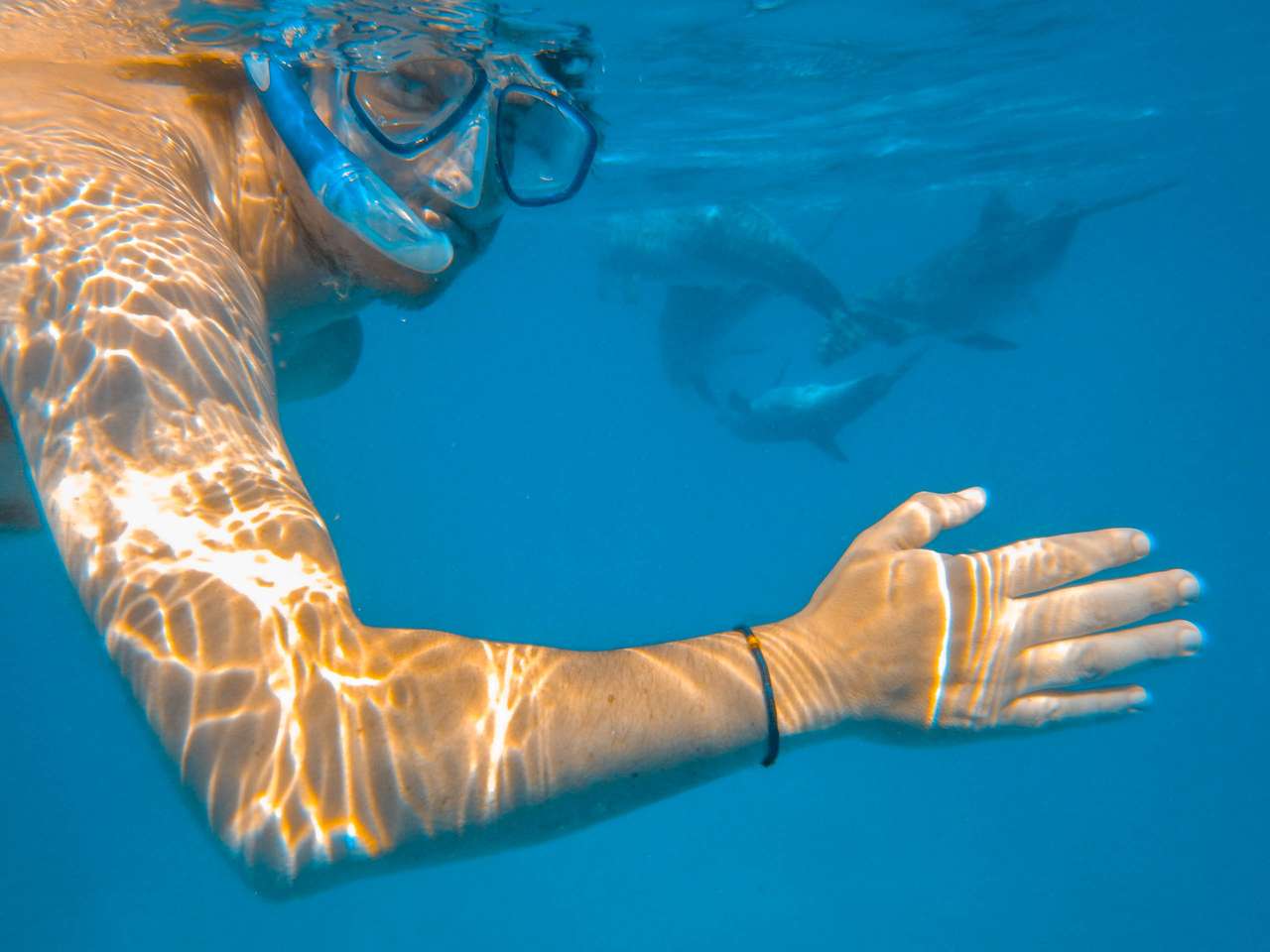
Bookings are completed securely on our partner GetYourGuide.
The departure-point detail nobody advertises
The private cruise departs from Mombasa, per its listing. If your hotel is in Diani or further south, that matters: the group Diani departure picks you up around 07:15 and drives roughly 55 km to Shimoni, while Mombasa-based departures work with pickups from about 5:45 and around 90 km of road including the Likoni ferry. A private boat does not shorten a public road. If the private day appeals but you are based in Diani, check the pickup options in the booking box before assuming the transfer works for you — and weigh whether privacy on the water is worth extra hours around it. If you are based in Mombasa, the logistics and the private product point the same way, which makes the decision far simpler.
Tides, seasons and the limits of flexibility
Local operators say the snorkelling here is scheduled around low tide — roughly a two-hour window around it — and that is precisely where a private boat's flexibility is worth something real: your day can be arranged around the good window rather than around a fixed group timetable. Treat the tide claim as the operators' own, but the logic is sound. What flexibility cannot buy is the rest: the documented best months run from October to March with the January–February peak, April to June is the least favourable stretch, and dolphin encounters — frequent in Kisite-Mpunguti by published research — remain unguaranteed on any boat. We do not declare sea conditions ourselves. A private dhow gives you the best available version of a given day; it does not change which day the sea decides to give you.
Our honest verdict
Couples marking an occasion, families with children who set their own pace, small groups that would fill a boat anyway: the private cruise from €139 is the honest pick — the flexibility and the named meals are real, and the premium over several group seats shrinks the more of the boat you would occupy anyway. Solo travellers and couples on a budget: take the group departure from €80 from Diani and spend the difference on the rest of the coast; the island does not know how you arrived. Diani-based travellers tempted by private: check the pickup options in the booking box first — the product departs from Mombasa. And everyone, on every option: verify whether the park fee is included before you call one of them cheaper.
The honest downsides
A private dhow does not improve the odds: dolphin sightings are frequent in Kisite-Mpunguti but never guaranteed, on any boat.
A from-price on a private product needs reading — the booking box shows the live price and exactly whom it covers.
The private cruise departs from Mombasa: for Diani-based travellers, road time can eat what the privacy buys.
Park-fee inclusion (USD 25 per non-resident adult, KWS 2025 tariff — in force but contested in court) is not stated in the listings' data: verify in the booking box.
The tide-window scheduling is the operators' own claim — flexible or not, the sea sets the limits.
April to June is the documented least favourable season, private or group alike.
Ready to check dates and prices?
Live availability and real prices, right here.
Check availability
Live availability & pricesWasini Island Day Trip from Mombasa
Frequently asked questions
Is the private dhow worth it over the group trip?
If having the boat to yourselves is the point — an occasion, a family rhythm, a group that would fill the boat anyway — yes: the flexibility and the named breakfast and lunch are real. If you are simply hoping for better snorkelling or better dolphin odds, no: the water is the same and sightings are never guaranteed.
What exactly does the private from-price cover?
The private cruise starts from €139 (verified July 2026) and its listing names breakfast and lunch as included. The live price and exactly what and whom it covers — including whether the Kisite park fee is included — are shown in the booking box, and that is where to check before comparing with per-person group prices.
Can I join the private cruise from Diani?
The listing names Mombasa as the departure point. Check the pickup options in the booking box; if a Diani pickup is not offered, factor the road logistics in yourself before choosing it over the group departure from Diani (from €80, pickup around 07:15).
Do private guests see more dolphins?
No. Kisite-Mpunguti recorded more dolphin sightings than any other area of the Kenyan coast in published research (2011–2019), so encounters are frequent for everyone — but tides, weather and the captain decide on the day, and no boat, private or shared, can guarantee a sighting.
Why does the tide matter for this trip?
Local operators say they schedule the snorkelling around low tide — roughly a two-hour window around it. On a group boat that window is fixed for everyone; on a private dhow the day can be arranged around it more freely. That is the operators' operational claim, and the documented best season (October to March, peaking January–February) applies to both options equally.
Compare other Diani excursions
← Back to all toursWasini from Diani or from Mombasa: Which Departure Suits You?
GetYourGuide photo of one compared option: Wasini Island Dhow Day Trip from Diani.
See the comparison →
Tsavo East Day Trip or Ngutuni Overnight Safari?
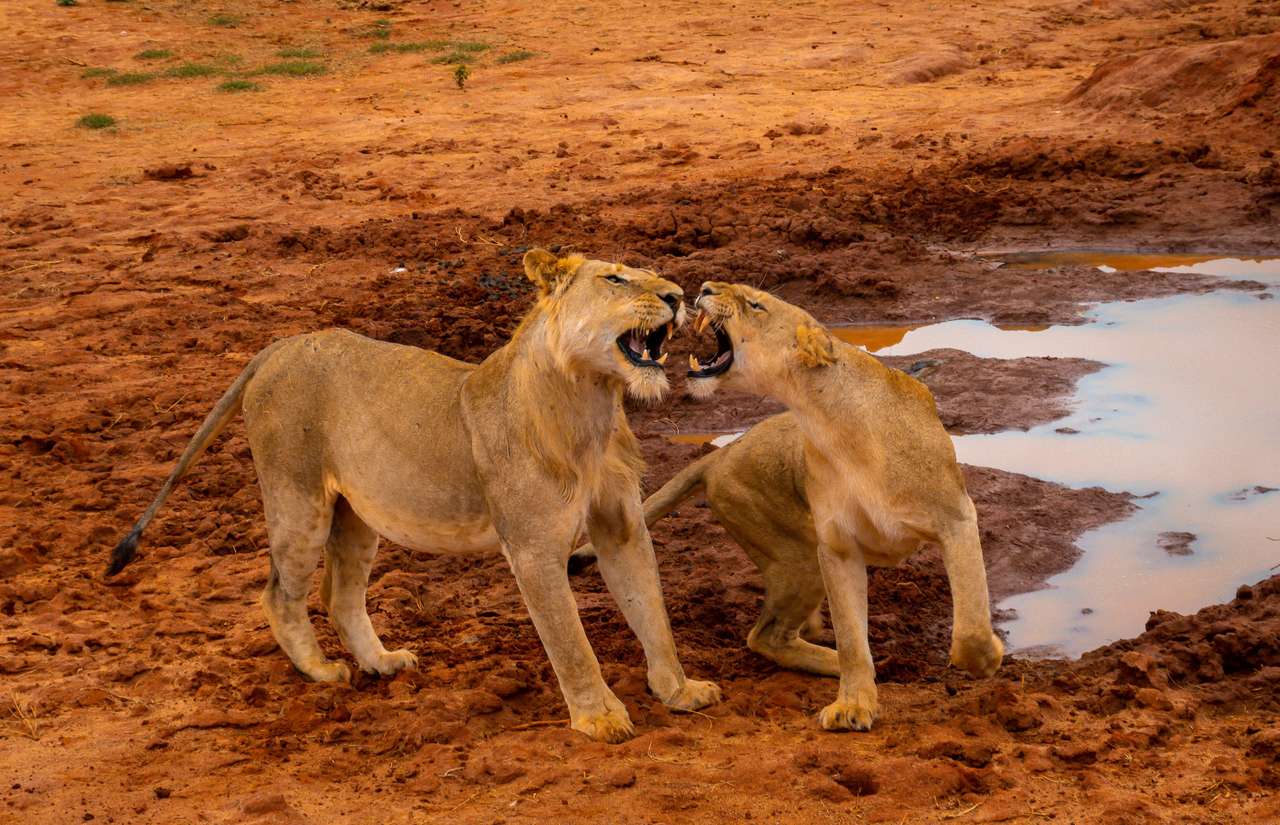
GetYourGuide photo of one compared option: Tsavo East Full-Day Safari from the Coast.
See the comparison →