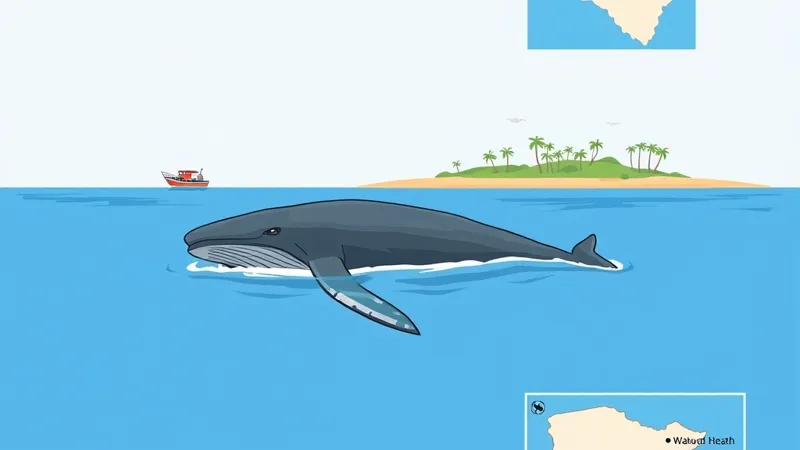
When and where can you see humpback whales on the Kenya coast?
Roughly July–October is the commonly reported planning window, within a broader July–December passage season. Watamu is a recognised watching area on Kenya’s north coast; Diani–Wasini–Kisite is a separate south-coast planning option, not an interchangeable departure area.
Sightings can be frequent in documented seasonal observation areas, but they are never guaranteed. A Wasini snorkeling trip is not automatically a dedicated whale-watching excursion. The Watamu Marine Association is a local source for Watamu observation information; its records should not be extrapolated to southern departure points.
- Season: plan around July–October, while recognising wider seasonal passage and annual variation.
- Watamu: an accommodation base associated with offshore whale watching; confirm the actual launch point.
- Diani: a south-coast accommodation and pickup base; confirm whether a boat leaves locally or requires a road transfer.
- Shimoni–Wasini–Kisite: embarkation, island and marine-protected-area locations associated with snorkeling-led excursions; whale encounters may be incidental.
Which months are associated with humpback whale migration in Kenya?
July–October offers the clearest general planning window, not a date-based promise. The broader July–December passage season does not establish equally predictable opportunities throughout those months.
- January, February and March: outside the commonly reported watching window.
- April, May and June: also outside that window; do not book a marine excursion expecting humpbacks.
- July: within the commonly reported seasonal window; arrival timing varies.
- August, September and October: central months for seasonal planning, without a guaranteed encounter.
- November and December: within the broader passage season, but beyond the narrower commonly advertised window.
NOAA Fisheries’ humpback whale profile explains migration between productive feeding regions and warmer breeding areas. For Southern Hemisphere populations, this provides biological context for movement toward tropical waters during the austral winter. It does not establish exact Kenyan arrival dates or location-specific success rates.
How do Watamu, Diani and Wasini compare for whale watching?
Watamu and the south coast require separate itineraries. Local observation records matter more than coast-wide claims about sightings.
- Watamu: a north-coast accommodation base with a local marine-observation community. Ask about departures specifically focused on whales.
- Diani Beach: principally the accommodation and pickup base for many south-coast visitors. A listing mentioning Diani may still launch from Shimoni.
- Shimoni: the mainland embarkation point commonly used for Wasini–Kisite excursions.
- Wasini Island: an island destination often associated with lunch and village visits, rather than a synonym for an offshore whale-search area.
- Kisite-Mpunguti: a marine-protected-area destination associated with snorkeling and wildlife observation. Kenya Wildlife Service provides official park context and visitor information.
Watamu is not a nearby substitute when a south-coast departure is unavailable. Nor do Watamu records demonstrate equal whale-watching opportunities around Kisite.
How do you reach whale-watching departure points from Diani Beach?
Many Wasini–Kisite excursions start with a road transfer from Diani to Shimoni. The general reference is about 55 km and 1–2 hours by road, traffic-dependent, one way. This is not a measured route from every hotel.
Ask for the route and timing from your named accommodation, rather than treating “Diani pickup” as a single starting point.
- Pickup: confirm the hotel, collection window and whether other passengers are collected en route.
- Embarkation: establish whether the launch is Shimoni or an explicitly advertised Diani-area departure.
- Boat time: Shimoni to Wasini Island is a 15–20 minute crossing; this is not the duration of a Kisite visit or offshore whale search.
- Total duration: use the specific itinerary, including transfers, snorkeling and lunch.
- Return: confirm the landing point, hotel drop-off and arrangements after weather-related changes.
Travel north to Watamu is a separate overland journey. Do not assume it fits a routine Diani boat-trip schedule.
Can a Wasini dhow or Kisite snorkeling trip include whale sightings?
Yes, but seasonal encounters may be incidental rather than the purpose of the trip. A dedicated whale-watching departure allocates its route and observation time differently from an excursion centred on snorkeling, park visits and island lunch.
Use the Wasini trip from Diani overview and Kisite private dhow option to compare the advertised focus. Confirm the vessel, launch point, route, observation time and inclusions.
Treat species separately. Dolphin sightings are frequently reported in the Kisite-Mpunguti area; that does not establish the same frequency for humpbacks, turtles or dugongs. Humpbacks are seasonal, while turtles and dugongs should not be presented as promised itinerary stops. No operator can guarantee any marine wildlife encounter.
How does seasonal weather affect a whale-watching trip?
The southeast monsoon can make offshore travel less comfortable during part of the whale season. Broad coastal seasonality places the kusi, or southeast monsoon, around April/May–October, with greater exposure to wind and rougher water. The northeast kaskazi season is generally calmer.
The Kenya Meteorological Department is the authoritative reference for weather information. A migration calendar does not predict conditions on your departure date. Exposure, vessel design and the planned route affect comfort, and conditions may require an altered itinerary or cancellation.
Keep scheduling flexible, bring sun and splash protection, and discuss seasickness concerns with a pharmacist or clinician. Check the provider’s weather-related cancellation terms before paying.
How can visitors choose a responsible whale-watching trip?
Choose a provider that explains both passenger safety and how it avoids disturbing whales. The IWC Whale Watching Handbook offers general responsible-viewing guidance; it is not a substitute for verified Kenyan legal requirements.
Ask about:
- Vessel suitability for the planned offshore route and maximum passenger capacity.
- Properly fitting lifejackets, including children’s sizes.
- Shade, toilets, seating and boarding access.
- Guide experience and the skipper’s whale-observation procedure.
- Avoiding pursuit, crowding, interception and separation of mothers and calves.
- Leaving animals space to move away rather than promising close encounters.
Do not choose a trip because it markets proximity as a benefit, and do not plan to swim with humpbacks.
What should you compare before booking from Diani?
Compare the actual itinerary, not just the wildlife photographs. Diani Excursions is an independent editorial and affiliate comparison guide, not a tour operator; it runs no boats or safaris.
- Trip focus: dedicated whale searching versus snorkeling-led sightseeing.
- Transfers and launch: included hotel pickup, pickup area and actual embarkation point.
- Time aboard: travel time versus time allocated to observation or snorkeling.
- Inclusions: meals, drinking water, snorkeling equipment and park fees.
- Accessibility: boarding steps, transfers between boats, seating and toilets.
- Terms: weather cancellations, itinerary changes and what happens without sightings.
Group-tour crowding, long transfers and tide-dependent snorkeling can affect the experience. A private vessel offers a different group arrangement, not guaranteed wildlife.
Compare private and group Wasini trips before choosing. Relevant excursion-page GetYourGuide widgets display live prices and ratings; confirm the selected option’s terms and whether park entry is included.
What should visitors know about humpback whales in Kenya?
Plan for a seasonal opportunity, not a guaranteed encounter. These distinctions help avoid booking the wrong trip.
Which months are associated with sightings, and can you see whales from Diani Beach?
July–October is the commonly reported window, within broader July–December passage. A possible sighting from shore is different from an organised boat search. Do not rely on seeing whales from Diani Beach itself.
Is Watamu a day trip from Diani?
Watamu is not a nearby boat-departure alternative. Treat it as a separate north-coast stay or arrange an itinerary that explicitly accounts for the overland journey.
Do Wasini tours specifically search for whales, and what if none appear?
Not necessarily: many prioritise snorkeling and lunch. Book a whale-focused itinerary only when explicitly advertised. No sighting does not automatically entitle you to a refund; provider terms apply.
Are these trips suitable for children or people prone to seasickness?
Suitability depends on the vessel, sea conditions, boarding arrangements and time aboard. Confirm age restrictions and lifejacket sizes with the provider, and seek professional advice about seasickness management.
Can you swim with humpback whales?
Do not plan or request in-water encounters. Choose responsible boat-based observation and avoid providers that promote pursuit or intrusive proximity.
Sources
Local observation information and general biological guidance serve different purposes; neither guarantees a particular departure’s outcome.
- Watamu Marine Association — local marine-observation information, particularly for Watamu.
- Kenya Wildlife Service — official marine-park information and visitor requirements.
- Kenya Meteorological Department — authoritative climate and weather information.
- NOAA Fisheries: Humpback Whale — species biology and migration context, not a Kenyan sightings calendar.
- IWC Whale Watching Handbook — responsible-viewing guidance, distinct from local law.