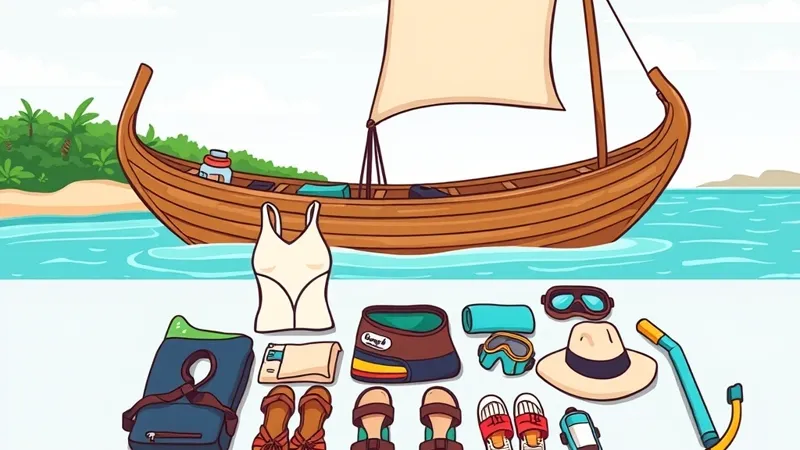
What should you pack for a Wasini dhow day trip?
Pack a small, easy-to-carry bag with swimming essentials, sun protection and dry clothes for the return transfer.
Personal essentials
- Swimwear beneath lightweight clothing.
- A cover-up and sun-protective shirt or rash vest.
- Broad-spectrum, water-resistant sunscreen, a secure hat and UV-protective sunglasses.
- Secure, non-slip footwear.
- A refillable water bottle, compact towel and small dry bag.
- A dry change of clothing.
- Personal medication and booking confirmation available offline.
Optional personal equipment: a well-fitting mask, snorkel, suitable fins and a prescription mask if needed.
Confirm rather than assume: snorkeling equipment, correctly sized life jackets, towels, drinking water, lunch and transfers. Inclusions differ between bookings.
Diani Excursions is an independent editorial and affiliate comparison guide, not a tour operator. We run no boats or safaris. Use this Wasini Island day trip packing checklist alongside your chosen provider’s written instructions.
How do the transfer and boat itinerary affect your bag?
Pack for several stages: a road transfer to Shimoni, dhow travel toward Kisite-Mpunguti, snorkeling stops and possibly a Wasini Island lunch or walk. An island landing is not universal.
Diani departure logistics
- Route: your confirmed Diani Beach pickup point to Shimoni harbor.
- General planning allowance: about 55 km and 1–2 hours by road, traffic-dependent; the precise route depends on your pickup location.
- Total excursion duration: obtain the pickup-to-return estimate for your selected itinerary. The road allowance is not the duration of the whole trip.
These are planning figures, not a provider-specific schedule. Confirm pickup, boarding arrangements and return timing in writing. Consult Kenya Wildlife Service for protected-area context.
A compact bag is easier to handle during transfers. Keep medication accessible and return clothes dry. Our Diani versus Mombasa departure comparison helps explain the transfer trade-off.
Which clothes and shoes suit the dhow and island stops?
Wear swimwear under loose, lightweight clothing, with a rash vest or sun shirt ready for exposed boat sections. Bring a cover-up for village visits, a compact towel and dry clothes for the drive back.
Secure, non-slip sandals are convenient between boat and shore. Water shoes offer more coverage, but can trap sand and are not automatically better on a wet deck. Follow crew footwear instructions and ask whether boarding involves steps, a jetty or wading.
Neither option makes standing on coral acceptable. Follow Green Fins reef guidance: keep equipment controlled and avoid contact with coral and marine life.
What sun protection and drinking water should you bring?
Combine protective clothing, a secure hat, UV-protective sunglasses, sunscreen and shade breaks rather than relying on sunscreen alone.
Choose broad-spectrum, water-resistant sunscreen and follow its application and reapplication instructions, including after swimming or sweating. The American Academy of Dermatology’s sunscreen application guidance explains recommended protection and reapplication. No sunscreen makes unlimited sun exposure safe, and “reef-safe” is not a universal environmental certification.
Bring a refillable bottle and ask whether potable drinking water and refills are available during both transfers and boat travel. Needs vary with heat, activity and the individual; a single bottle capacity cannot suit everyone.
Should you bring your own snorkeling equipment?
Bring personal equipment when fit or vision matters; otherwise, confirm exactly what your booking supplies.
Bring versus confirm
- Mask and snorkel: bring a familiar set if preferred; confirm availability, fit and cleaning arrangements otherwise.
- Fins: confirm inclusion, sizing and whether your footwear is compatible.
- Prescription mask: arrange ahead rather than expecting one aboard.
- Rash vest: treat this as personal clothing unless explicitly included.
- Flotation support: discuss the appropriate equipment with the provider; do not assume snorkeling aids or child sizes are available.
Non-swimmers and families should discuss supervision, equipment fit, activity suitability and correctly sized life jackets before booking. A snorkeling aid is not a substitute for a life jacket or swimming ability. Divers Alert Network provides background on water-activity preparation and safety.
Sightings are never guaranteed. Frequent dolphin sightings in the wider area do not promise dolphins, turtles, humpback whales or dugongs on your excursion.
What helps with seasickness, rain and changing conditions?
Bring a lightweight splash or rain layer and keep personal medication accessible in moisture-resistant packaging.
If considering motion-sickness medicine, ask a pharmacist or clinician about suitability, timing and drowsiness. Do not rely on a universal dosage or assume someone else’s medicine suits you. Consult CDC Travelers’ Health for travel-health preparation; vaccination and malaria questions require destination-specific official guidance and professional advice.
Use Kenya Meteorological Department forecasts and coastal bulletins when preparing. A month or seasonal pattern cannot establish departure-day sea state or visibility. Ask the provider how weather-related itinerary changes and cancellations are handled.
How should you protect phones, documents and valuables?
Use a small roll-top dry bag, a tested phone pouch and a secured camera strap. Splash protection does not automatically mean safe submersion; check the product’s stated limits and closure instructions.
Carry only necessary valuables. Keep booking details, pickup instructions and contact information offline. Confirm identification requirements before departure rather than assuming you should leave your passport behind.
Ask which payment methods are accepted for optional purchases and gratuities. Current commercial offers belong in the GetYourGuide widgets on our Wasini dhow day trip from Diani page, not in an evergreen packing estimate.
What extra items help families and travelers with specific needs?
Pack for individual needs and resolve equipment, dietary and access questions before departure.
Essentials versus optional extras
- Families: essentials include child-sized sun protection, spare clothing and necessary medication. Suitable snacks are optional where permitted; confirm allergies, dietary requirements and child-sized life jackets beforehand.
- Prescription-mask users: an appropriate vision solution is essential for participating comfortably; a spare mask strap is optional.
- Travelers staying aboard: sun protection, water and suitable seating arrangements matter; swimming equipment is optional if no water activity is planned.
An island lunch does not automatically cover special diets. Travelers with mobility needs should ask about boarding steps, toilet access, seating and available assistance. A packing list cannot establish accessibility.
What should you leave out of your Wasini bag?
Leave bulky luggage, unnecessary valuables and loose items that could blow overboard at your accommodation. Do not bring bait or equipment intended to touch, feed or pursue wildlife.
Take rubbish back ashore and leave shells and marine life in place. Choose reusable containers, but do not interpret protected-area plastic restrictions as meaning every plastic item is banned. Confirm the applicable single-use-plastic categories and scope with KWS before packing; the current rule text is not verified here.
Long transfers, group crowding and tide-dependent snorkeling can affect enjoyment more than an extra accessory. Compare private and group Wasini trips before choosing the itinerary that suits you.
What else should you know before packing?
Your provider’s written inclusions and departure instructions should settle the remaining packing questions.
Do I need a towel, and are masks and fins included?
Bring a compact towel for a Wasini dhow trip unless your provider confirms one is supplied. Masks, snorkels and fins depend on the booking; confirm availability and sizes rather than assuming inclusion.
Should I bring my passport, and can I bring a phone?
Confirm identification requirements for your Wasini excursion before deciding whether to carry your passport. You can bring a phone, but protect it against spray and immersion and keep booking details offline.
What if I do not swim?
Discuss suitability before booking a Kisite-Mpunguti snorkeling excursion. Ask about staying aboard, supervision and correctly sized life jackets. Flotation equipment does not replace swimming ability or make every activity suitable.
What should children pack?
Children joining a Wasini day trip need suitable sun protection, spare clothing, a towel and necessary medication. Bring permitted snacks if useful, and confirm child-sized life jackets, snorkeling-equipment fit and dietary arrangements beforehand.
Will I see dolphins or other marine wildlife?
No species is guaranteed on a Wasini dhow trip. Dolphin sightings are documented as frequent in the Kisite-Mpunguti area, but this does not establish equal sighting frequency for turtles, seasonal humpback whales or dugongs. Occasional or rare encounters should never be presented as routine inclusions.
Sources
These are authoritative references for preparation, not evidence of a live conditions check. Current restrictions and provider-specific arrangements need confirmation.
- Kenya Wildlife Service: protected-area information and applicable visitor rules, linked above.
- Kenya Meteorological Department: official forecasts and documented coastal weather information.
- American Academy of Dermatology — How to apply sunscreen: sun-protection guidance, linked above.
- CDC Travelers’ Health: travel-health preparation and destination guidance, linked above.
- Divers Alert Network: water-activity safety resources, linked above.
- Green Fins: responsible snorkeling and reef conduct, linked above.